Algeria
Algeria
Algeria is a country of remarkable contrasts, stretching along the Mediterranean coast and deep into the Sahara. Its cities bring together different periods of history, while its landscapes range from green coastal hills to vast desert regions. For me, Algeria is about more than its history or geography. It is also about the people you meet, the conversations that arise unexpectedly, and the experience of discovering a country that may be less familiar to many travellers than its Mediterranean neighbours.
Between the Mediterranean and the Sahara
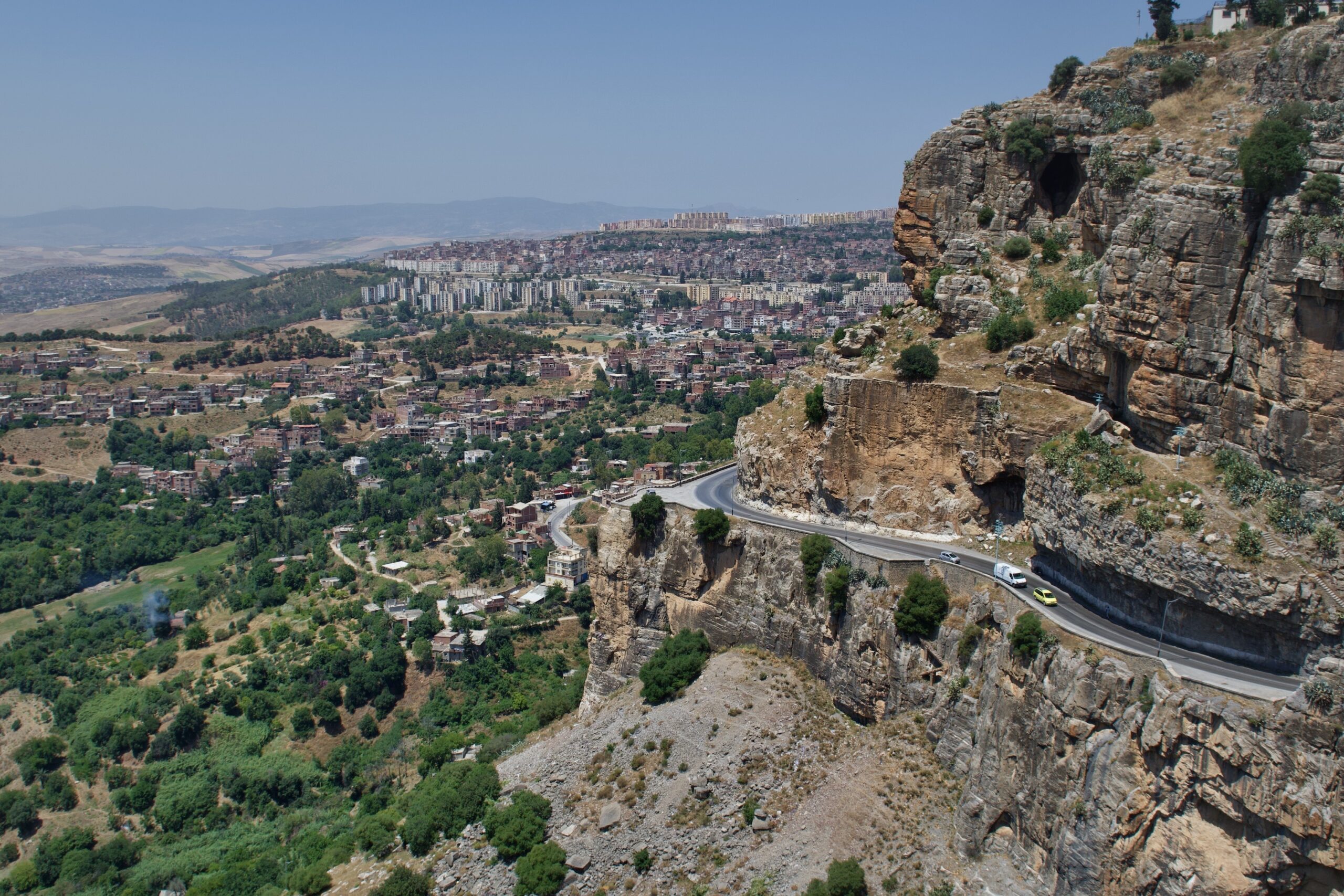
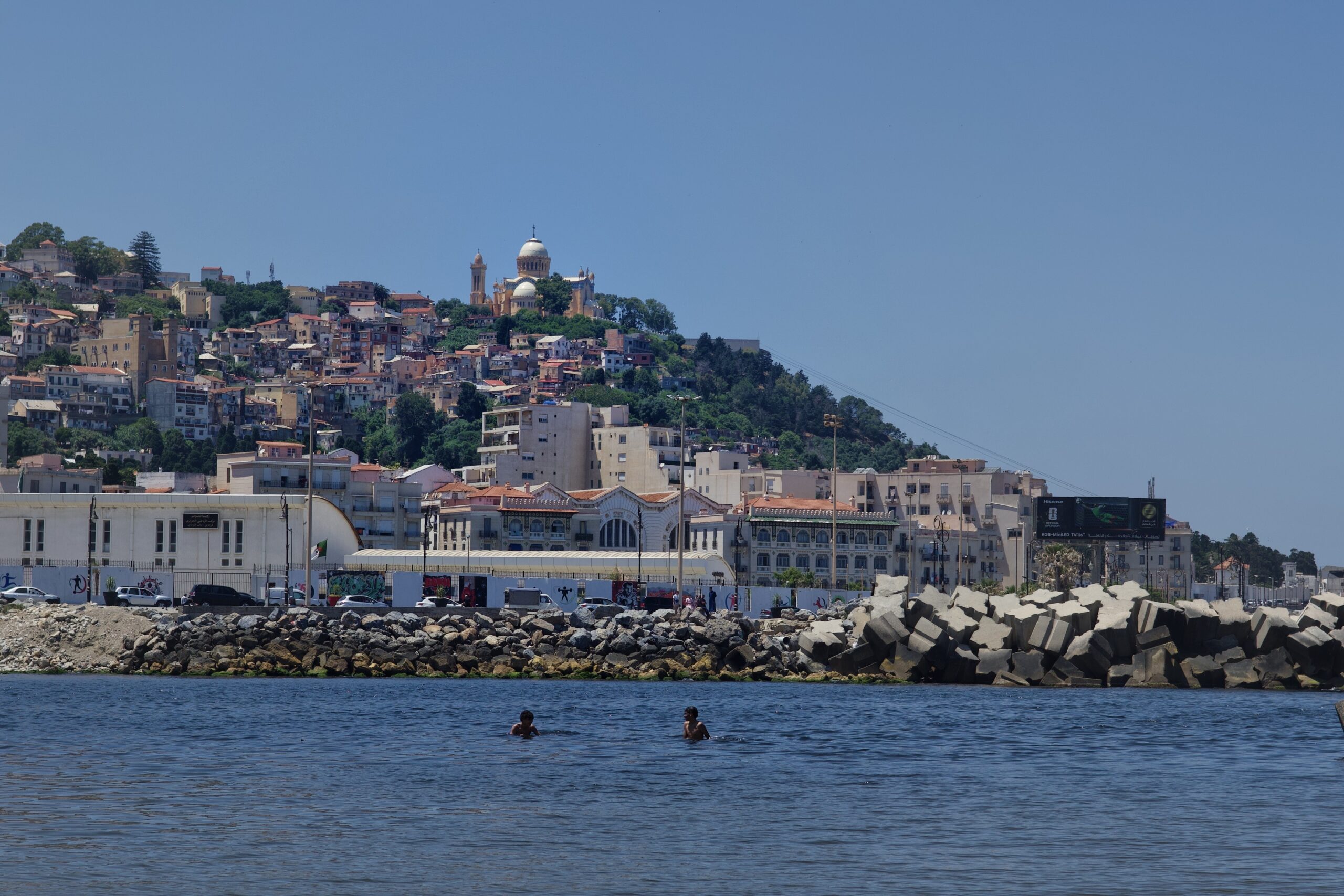
Algeria stretches from the Mediterranean deep into the Sahara, carrying thousands of years of history. Amazigh kingdoms, Phoenician traders, Carthage, Rome, Islamic dynasties, the Ottoman Empire and French colonialism have all left their mark. Their influences intertwined with local cultures, leaving traces in Algeria’s archaeological sites, historic quarters, architecture and the character of its people. From Mediterranean cities and ancient settlements to the warmth of the coastline and the vastness of the Sahara, Algeria brings together diverse landscapes and ways of life. Everyday encounters with its people offer a closer look at the country’s culture, traditions and contemporary realities, often making the places you visit all the more memorable.
Getting to and Around Algeria
Travelling to Algeria takes a little preparation before the journey even begins. Most visitors need a visa, and the application requirements depend on your nationality and where you apply. In my case, I needed to arrange accommodation and a flight reservation as part of the visa application. I booked my flight through lastminute.com and my accommodation through Booking.com, without having to purchase the flight or pay for the accommodation in advance.
It is worth checking the current visa requirements with the relevant Algerian consulate well before your trip, as the required documents, fees and conditions may vary depending on where you apply.
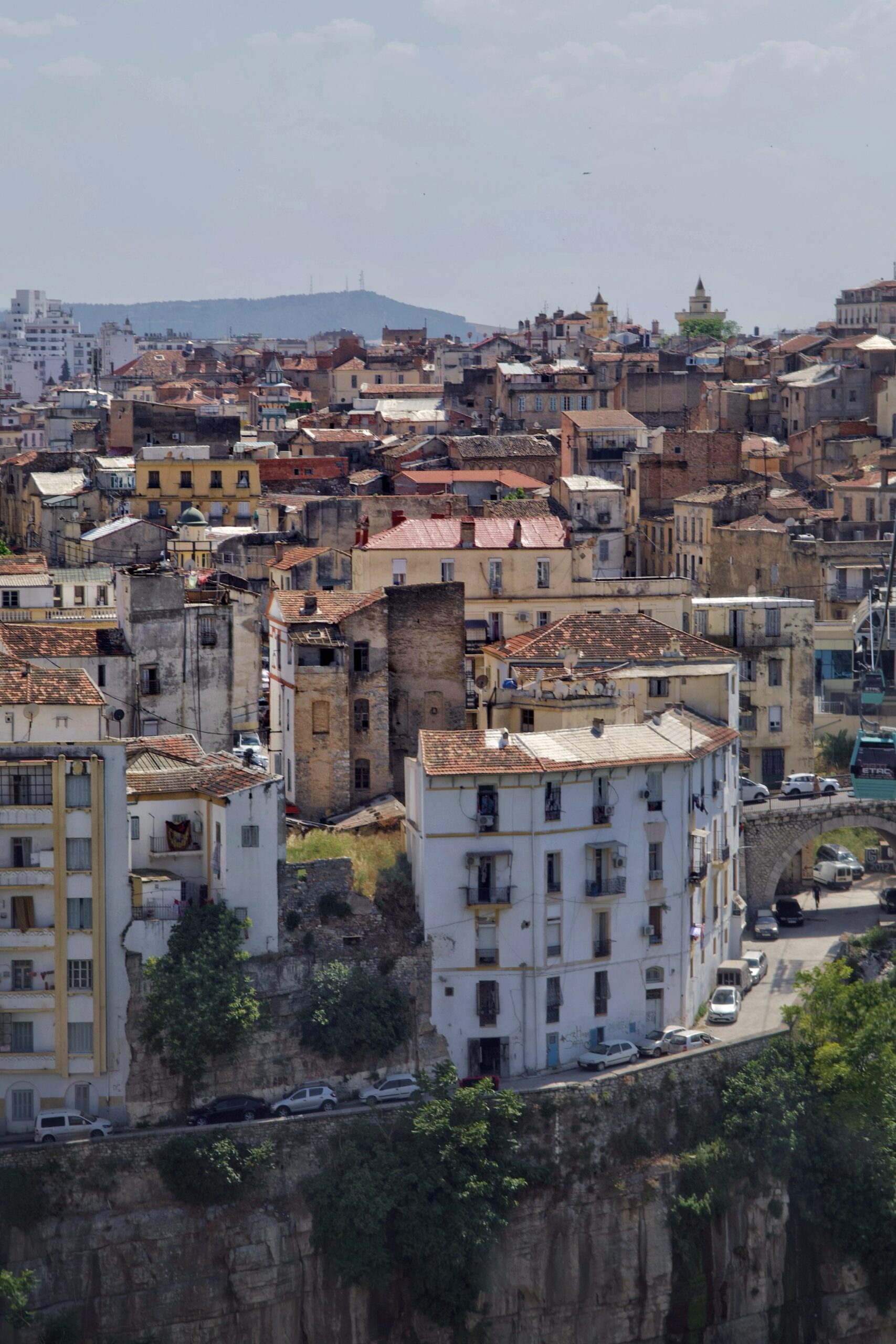
Once in Algeria, the country’s size makes distance an important part of travelling. The Mediterranean coast connects cities and towns, while the interior extends far towards the Sahara. Domestic flights can help cover longer distances, while buses, trains and taxis offer alternatives depending on the route. In cities, walking and public transport can make exploring easier, as I discovered in Algiers.
Travelling here benefits from a little preparation, but also from flexibility: routes, transport options and everyday arrangements can vary from one place to another.
People & Encounters
Encounters with local people are likely to become one of the most memorable parts of travelling in Algeria. Locals may approach you out of genuine curiosity or offer help when you look lost, while you will very likely find yourself asking them for directions, advice or information about the places they know best. These exchanges can reveal aspects of everyday life that no guidebook or app can fully capture.
What makes these interactions particularly memorable is that they often go beyond a simple exchange of services. People may take the time to share their stories, offer advice or help you discover places without expecting anything in return. Even a taxi ride can become an opportunity to explore a town through a local’s eyes, rather than simply getting from one point to another.
Conversations often end with warm farewells, good wishes and invitations to get in touch if you need anything else. Such gestures can leave a lasting impression and make it easier to approach people again. Gradually, this openness may influence your own behaviour, making you more curious, approachable and willing to share a little of yourself in return.
At the same time, every encounter is different. People’s moods, circumstances and intentions vary (as everywhere), and not every situation will feel equally welcoming. Stay open to others, but take your time to read the situation and decide whom to engage with and how far to go. Being approachable does not mean setting aside your own judgement.
Eating & Drinking
If you love coffee, Algeria is a great place to be. Italian-style espresso is served almost everywhere, usually at very affordable prices. And, in my experience, it’s consistently good: a proper, full-bodied espresso rather than something that merely resembles one. A café is an easy place to pause, exchange a few words with someone, or simply sit for a while and watch everyday life unfold. You can also find a shady spot in a park, relax, and let the impressions of the day settle.
Freshly cooked food is easy to find, too. Along the Mediterranean coast, fish restaurants may serve the catch of the day, including large tuna. Beef and lamb are common choices, often accompanied by olives, salads, or fries. For a quick bite along the way, look out for grillades—grilled meat, including offal, often cooked over charcoal and served on skewers. French influence is also visible in the bakeries, where baguettes and a wide variety of pastries are part of everyday life.
Whether you stop at a market stall, find a small local café, or eat at your hotel, you don’t need to make elaborate plans. There are plenty of simple ways to enjoy the local food as you travel.
Algeria also has a wine-making tradition worth discovering. I remember trying a wine called Sahara, which I found excellent. Wine isn’t sold everywhere, but you can still find it in some places in Algiers and Oran. If you come across a bottle, it may be worth trying.
Don’t expect to find the familiar large supermarket chains on every corner. Everyday shopping often takes place in small neighbourhood shops and kiosks, where you can find a range of basic goods. Larger supermarkets exist, but they are not everywhere, and some things are easier to find in specialised shops, such as fresh meat from a butcher.
It’s also worth checking the dates of religious holidays before travelling. Celebrations are taken seriously, and everyday life can slow down considerably, with many shops, markets and restaurants closing for several days. You won’t necessarily go hungry, as some small shops and places to eat remain open, but it’s wise to keep your plans flexible and have something to eat on hand, at least for the day.
Time and Space, the Pace of Life
The pace of everyday life in Algeria leaves more room for everyday interactions, whether over a coffee, in a neighbourhood shop, or during an unexpected conversation in the street. These small encounters have space to develop, giving people opportunities to build and maintain connections within their communities.
For visitors, this rhythm offers a little breathing space, too: time to pause, look around, and engage with the people they meet rather than constantly rushing on to the next place. The difference becomes particularly noticeable during major religious holidays, when society seems to slow down collectively and everyday routines give way to celebrations and time with family.
Practical Takeaways
- Engage with people. Locals are often genuinely curious, helpful, and knowledgeable. Don’t hesitate to ask for advice or directions. If you’d like to see a place beyond what’s publicly accessible, ask first and respect people’s privacy and personal space.
- Get around on foot. Cities are often best explored walking. For taxis, try Yassir or inDrive.
- Choose the right transport. Take a taxi to nearby Tipasa, consider a louage (mini bus) for intercity journeys, and look into affordable domestic flights for longer distances.
- Carry cash. Bring euros, Swiss francs, or US dollars. The unofficial exchange rate is generally more favourable than the official one. Ask your hotel or trusted locals where to exchange money. However, make sure you have some Algerian dinars on arrival to cover a SIM card, a taxi, and other initial expenses. You can exchange a small amount at the airport at the official rate if needed.
- Check holiday dates. Public and religious holidays can affect everyday life, particularly shopping and the availability of goods. Plan accordingly.
- Stay open, but use your judgement. Welcome unexpected encounters, ask questions, and make your own decisions about whom to trust.
- Leave room for flexibility. Local advice and changing circumstances may lead you to better options than those planned in advance.
Enjoy your journey through Algeria!
May the places you discover and the people you meet leave you with warm memories and a reason to return.