North Africa
Explore North Africa
Discovering the magic of Nordafrica, where ancient traditions meet breathtaking landscapes.
From the colorful souks of Morocco and the golden sands of the Sahara to the historic streets of Tunisia and the stunning coastlines of Algeria, every destination tells a unique story. I’m passionate about exploring local cultures, tasting authentic flavors, meeting wonderful people, and capturing unforgettable moments. Join me as I travel through Nordafrica, uncover hidden gems, embrace new adventures, and share the beauty, culture, and soul of this incredible region.
A Region of Contrasts
North Africa is a place of contrasts, where ancient traditions, lively streets and wide-open landscapes come together. We explore the region through short escapes, local encounters and curious wandering, travelling lightly, respectfully and with an open mind. We seek authentic moments, meaningful connections, hidden corners and unforgettable stories along the way, embracing every journey with curiosity, kindness and a deep appreciation for the people, places and cultures that make North Africa truly special.
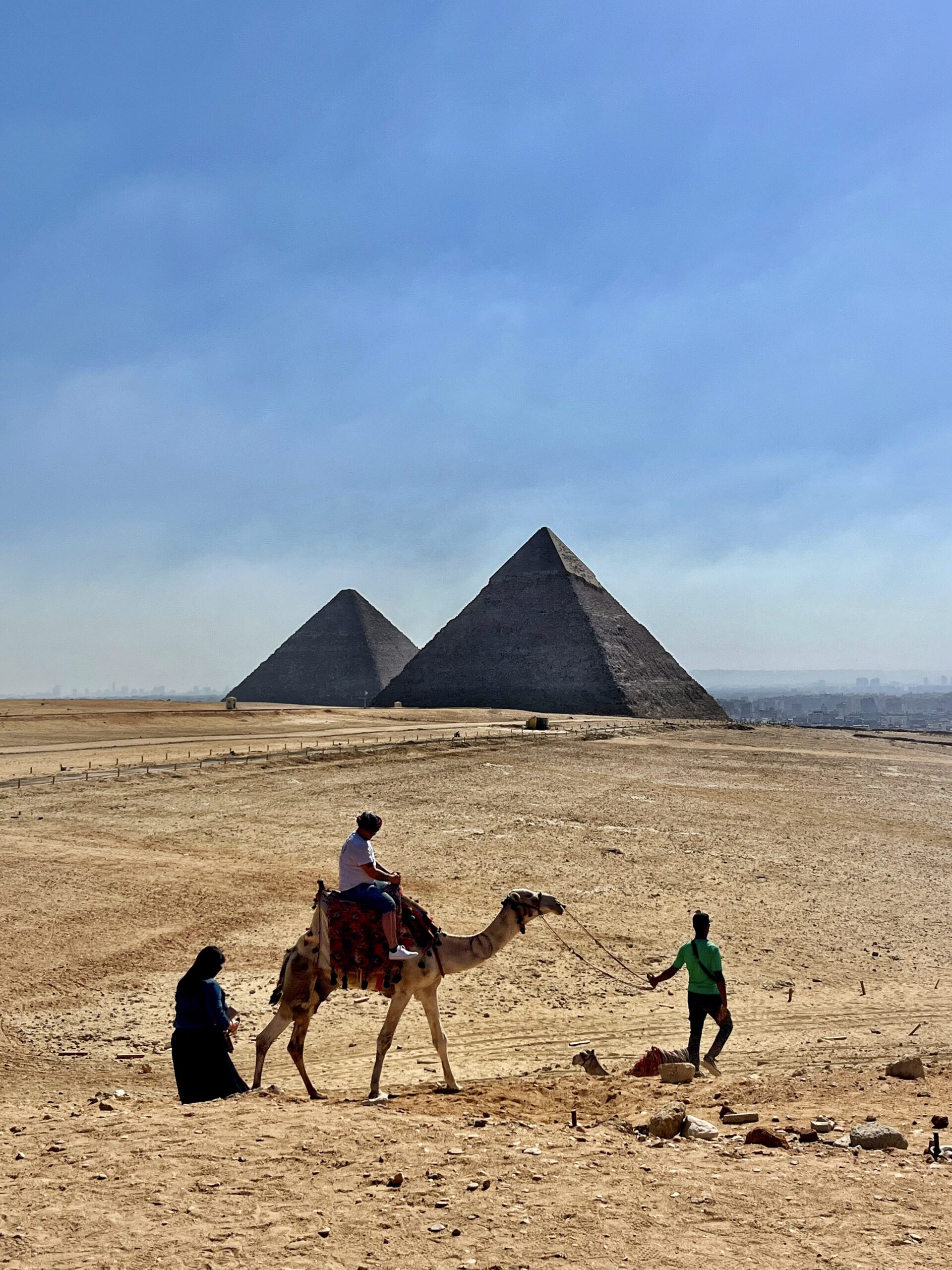
North Africa: A Crossroads of Civilisations
North Africa is a region of overlapping histories and cultural influences. From the Maghreb in the west to Egypt and the Nile Valley in the east, its countries share certain connections while retaining distinct identities and historical experiences.
Over thousands of years, the region has been shaped by indigenous Amazigh kingdoms, Phoenician traders, Carthage, Greek settlements, the Roman Empire, Islamic caliphates and dynasties, the Ottoman Empire, and European colonial powers, particularly France, Britain, Italy and Spain. Each left its mark, though not always in the same places or to the same extent. (Mutual influence to be mentioned)
Its geographical position helps explain this extraordinary complexity. Separated from Europe by the Mediterranean Sea, North Africa has long been a place of intense exchange between the two shores, as well as a meeting point between the Mediterranean world, the Middle East and sub-Saharan Africa. Trade and migration brought ideas, languages, religions and traditions across these connections, while conquest and colonialism left more difficult legacies.
We believe, this combination makes North Africa one of the most fascinating regions on Earth. Its appeal lies not in a single culture or historical narrative, but in the way different civilizations and experiences intersect — sometimes complementing one another, sometimes remaining in tension. These layers of history are still present in its cities, architecture, landscapes and everyday life, making the region particularly rewarding to explore.
(Add unique weather features + ribbon with 4-5 pics)
Beyond the Observer
Travelling in Europe and North Africa can be quite different. Cultural patterns and social conventions shape not only the atmosphere around you, but also the way you, as a visitor, fit into it.
In much of Europe, you can travel through towns, walk the streets and admire your surroundings without having much contact with local people. Unless you make the first move, everyday life may remain something you watch from the outside.
In North Africa, you are rarely just a mere observer. Communication becomes a natural part of travelling: people may approach you to ask where you are from, find out whether you need anything, or simply offer you something to buy.
At the same time, you will find yourself asking questions, seeking directions or relying on local knowledge that no app can fully replace. How these encounters unfold depends on both sides and on your ability to understand the social expectations behind them.
This is where a little cultural understanding becomes valuable. Knowing how to respond to an invitation, distinguish friendly curiosity from a commercial approach, or decline an offer without causing unnecessary offence can make travelling considerably easier. The aim is not to learn a set of rules for dealing with an entire region, but to become more attentive to the people and situations you encounter.
You cannot control every interaction, but you can influence how it unfolds. And perhaps this is one of the more rewarding aspects of travelling in North Africa: you cannot always stay outside the social world around you. Sometimes you have to engage with it, learn its nuances and find your own way of navigating it.
How to Get Around in North Africa
Getting around North Africa is relatively straightforward in some countries, while others require more planning. Trains and buses are the main options for independent travellers, although domestic flights can be useful when distances become too great.
Morocco, Tunisia and Egypt have established transport networks connecting many of their main cities and tourist destinations.
In Morocco, trains are a convenient way to travel between major cities such as Casablanca, Rabat, Tangier and Marrakech. For destinations beyond the railway network, long-distance buses offer a practical alternative. Smaller towns and rural areas may require shared taxis or local transport.
In Tunisia, trains connect Tunis with several important cities, particularly along the eastern coast. Long-distance buses and shared minibuses, known locally as louages, provide additional connections and can reach places not served by rail.
In Egypt, trains are useful for travelling along the Nile Valley, particularly between Cairo, Luxor and Aswan. Long-distance buses connect many other destinations, including coastal towns. For longer journeys, domestic flights can save considerable time, especially when travelling between Cairo and southern Egypt.
Algeria presents a different challenge because of its vast territory and the long distances between some destinations. Trains and buses serve several major cities in the north, but domestic flights can be a sensible option for covering longer distances. Travelling to remote Saharan regions requires additional planning, and transport availability can vary considerably.
Across the region, shared taxis are often a useful way to cover shorter distances or reach places that are not connected to the main transport network. They can be inexpensive, although departure times and comfort levels vary.
For independent travellers, public transport is generally the most economical way to explore North Africa. However, journey times can be long, schedules may change, and connections to smaller towns are not always straightforward. It is worth checking current timetables before travelling, particularly outside the main tourist season.
Our advice: Use trains for comfortable intercity journeys where available, buses for destinations beyond the railway network, and domestic flights when distances make overland travel impractical. This combination offers a flexible way to explore North Africa without relying on a rental car.
Things to Do in North Africa
Visit Ancient Landmarks — Explore pyramids, temples, ruins, and historic monuments.
Explore Local Markets — Discover colorful souks, handmade crafts, spices, and local products.
Relax on the Coast — Enjoy beautiful Mediterranean and Red Sea beaches.
Explore the Desert — Experience dramatic landscapes, dunes, oases, and desert adventures.
Try Local Food — Discover traditional dishes, street food, and regional specialties.
Explore Historic Cities — Walk through old towns, medinas, and traditional neighborhoods.
Discover Local Culture — Experience traditions, architecture, festivals, and everyday life.
«North Africa is a captivating region where ancient history, diverse cultures, and stunning landscapes come together. From the Sahara Desert and Mediterranean coastlines to vibrant markets and historic cities, every destination offers unique experiences. Discover rich traditions, authentic cuisine, warm hospitality, and unforgettable adventures across Morocco, Algeria, Tunisia, Libya and Egypt. »
Explore North Africa with Travel Pelican